Within the session:
Set yourself an intention as to how you want to present the instrument. Consciously differentiate between ‘I’m going to demonstrate / show / teach’ and ‘I want to invite the child to explore / become curious about / find out about by doing’
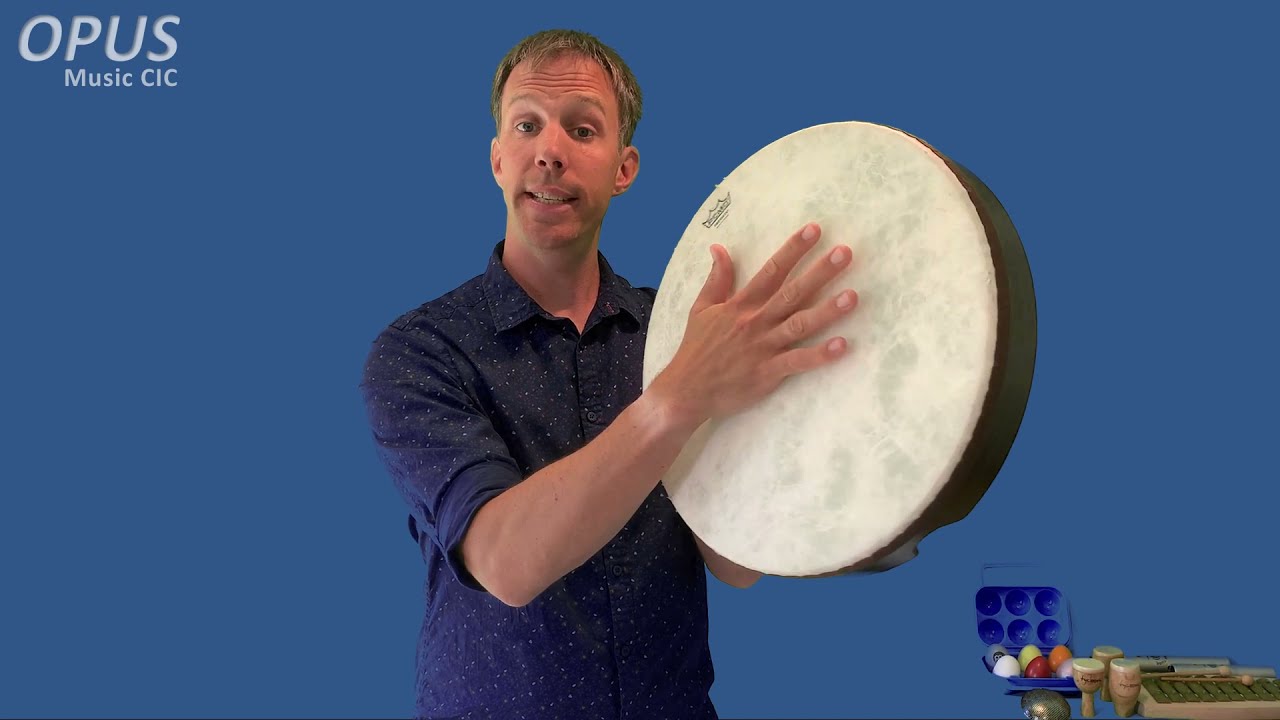
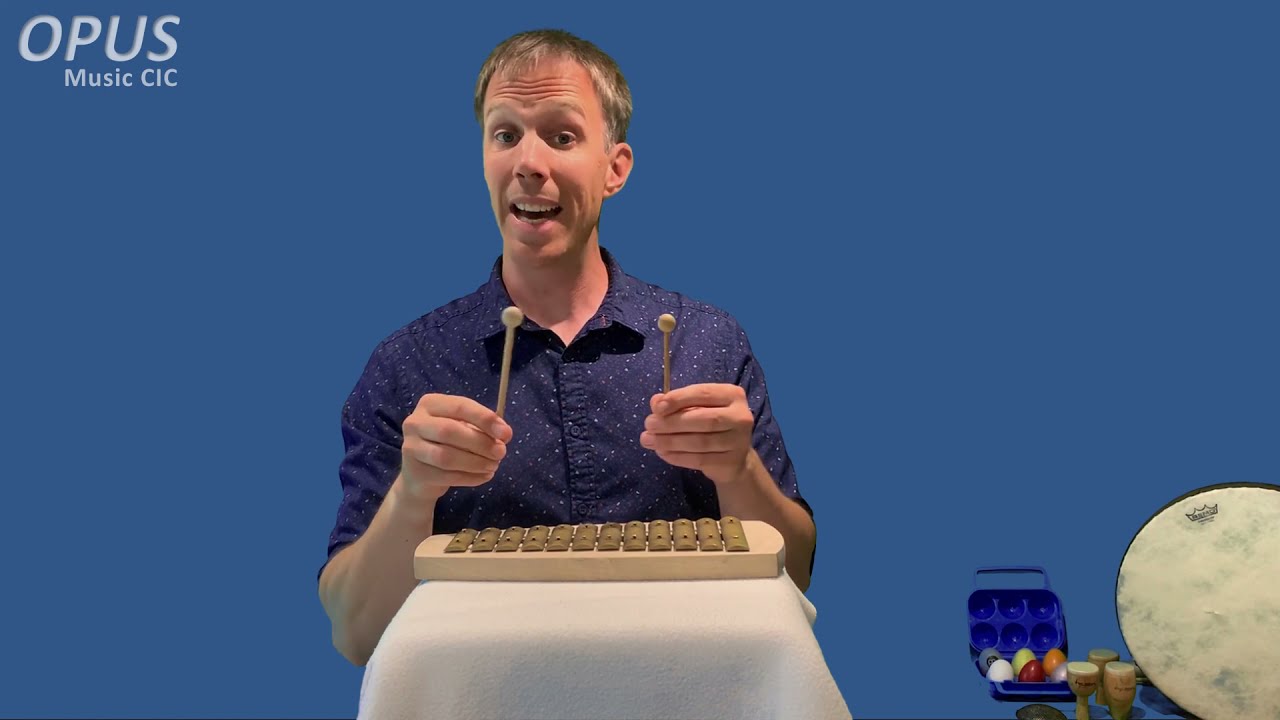
Introduce the instrument. You may need words for this or simply getting the instrument out of the box and placing it down within reach of the child may be enough to instigate exploration.
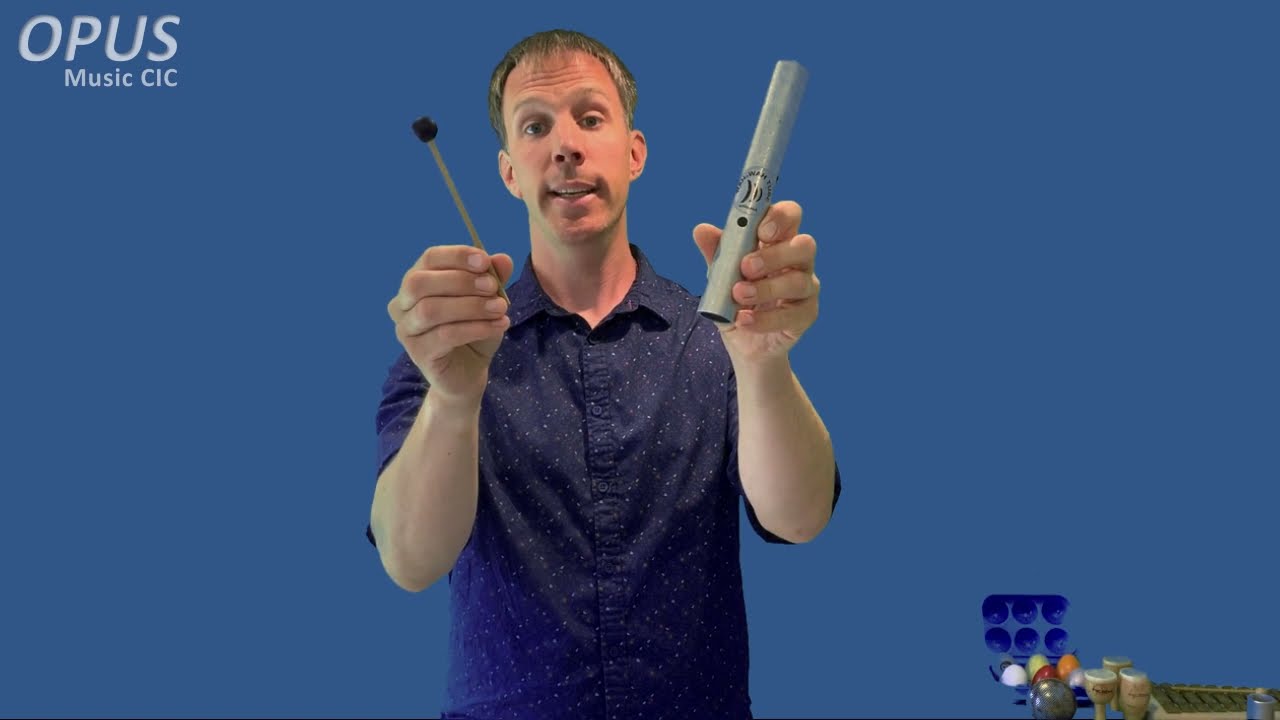
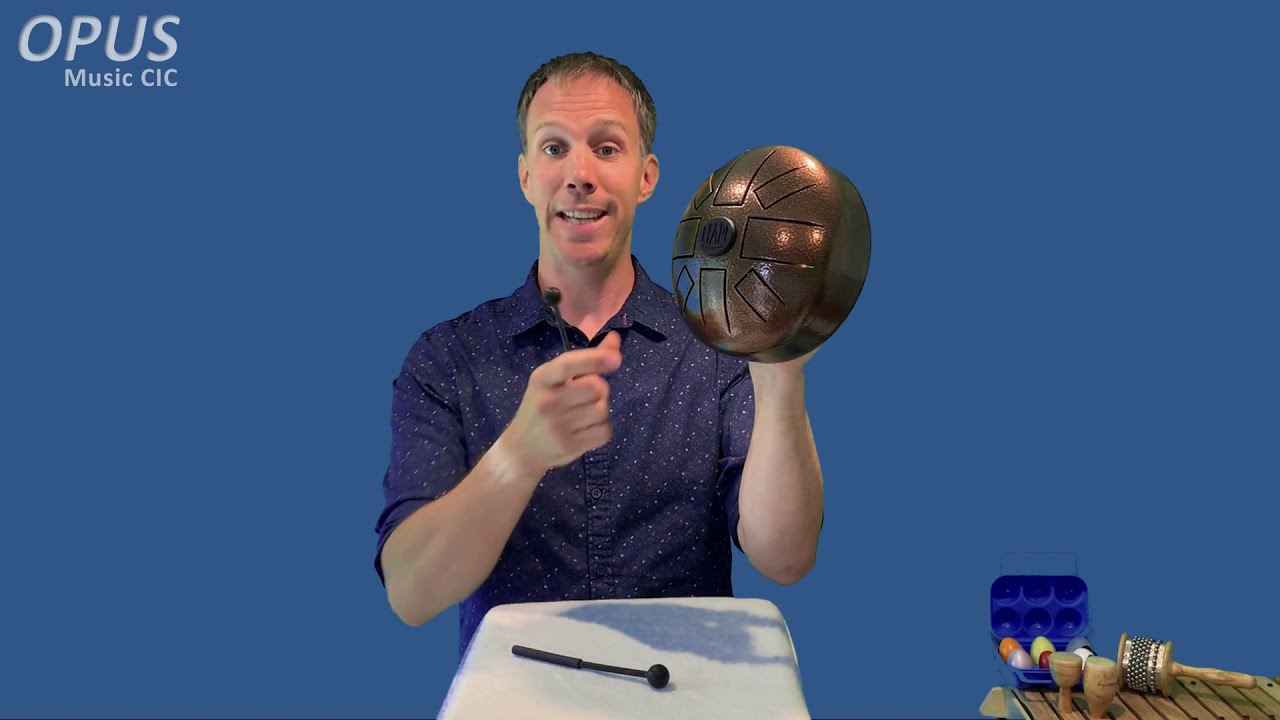
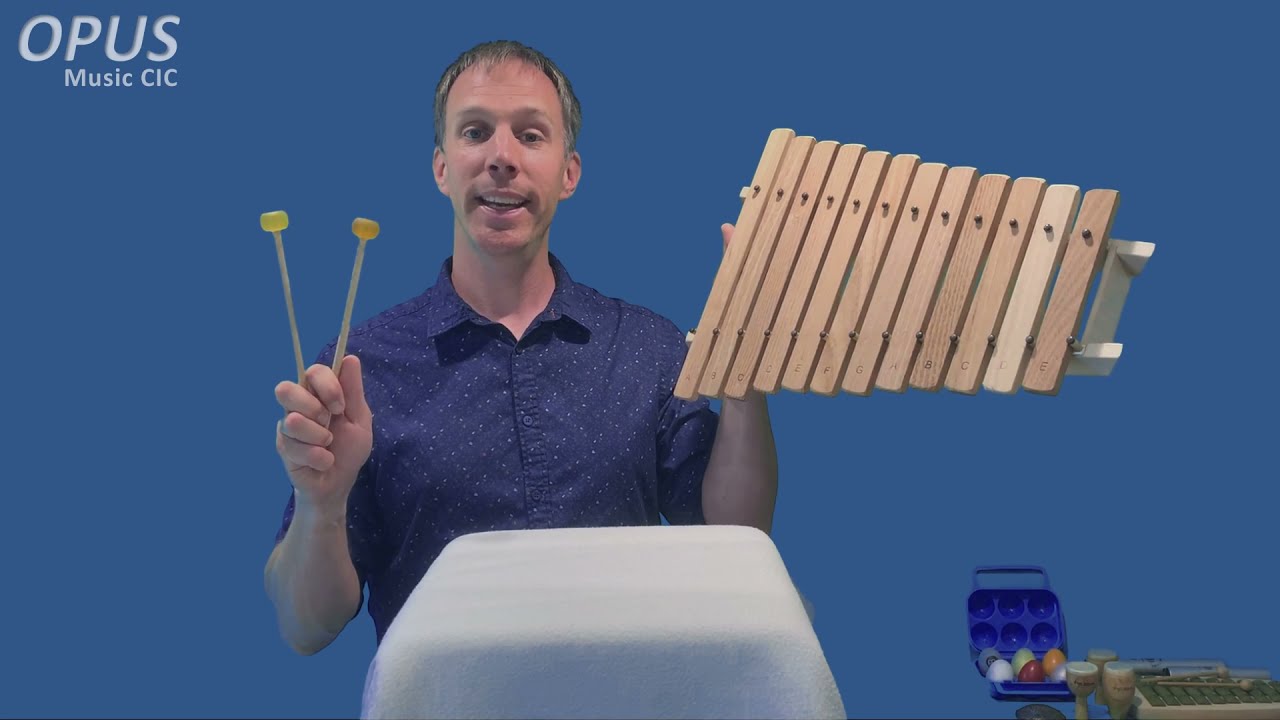
Demonstrate the bare minimum. If the child is reluctant to engage with the instrument a simple demonstration of picking up a beater and striking the instrument once may be enough. Playing a random selection of notes may be required, with the beater then being offered to the child. Avoid playing known tunes or implying that there may be an expectation to play something ‘correctly’.
Give time for exploration. The child may be straight in to exploring the instrument or they may be reluctant. Start a game of follower the leader by inviting the child to copy you. Swap roles and copy them.
Be aware of responses. At all times be tuned into the child’s facial expression. be conscious of eye contact and what it (or the lack of it) is telling you. Read signs of discomfort and ill ease / engagement and enthusiasm. Balance a strong confident offer of music making with a sensitivity to the child’s reaction. Always be ready to present the child with the two options of ‘would you like to keep going or is it time to stop?’ rather than just presenting one option, which to the child may suggest your preference eg ‘Shall we keep going?’ read as ‘I want you to keep going.’
Follow the child. Some children may be more than happy exploring, creating, interacting and responding and this can become very expressive incorporating elements of playful social interaction. Others may want to know all about how it works and be able to achieve something like learning a tune on the instrument. the interaction could be a mixture of both Your preparation before the session will determine how far you can go in either direction.
Extension activities.
Introducing accompaniment. Once the child is comfortable and confident exploring the instrument themselves you may want to enhance the sounds they are making by moving away from playing with them on the same instrument to accompanying them on a different instrument. This is when knowing the key of the instrument they are playing becomes very important. Follow the child’s lead in terms of rhythm and tempo. Try gently introducing changes to these and see if they notice or respond. Try doing this with and without eye contact.
Accompaniment may also be introduced through the use of recorded resources. Both you and the child can play along to the resource exploring the instrument in an improvisatory way. Use the recording to inspire how you play; maybe copy the rhythm of sung words; try and stop at the same time as the music stops. Try to play with the accompaniment rather than just at the same time as the accompaniment.
Know when it is time to stop. Be aware that a child might continue to explore an instrument beyond the point at which they have lost interest in it if they think they are meeting your expectation. Always be ready to ask!